Kockerellstrasse 3
Monument #3

Introduction
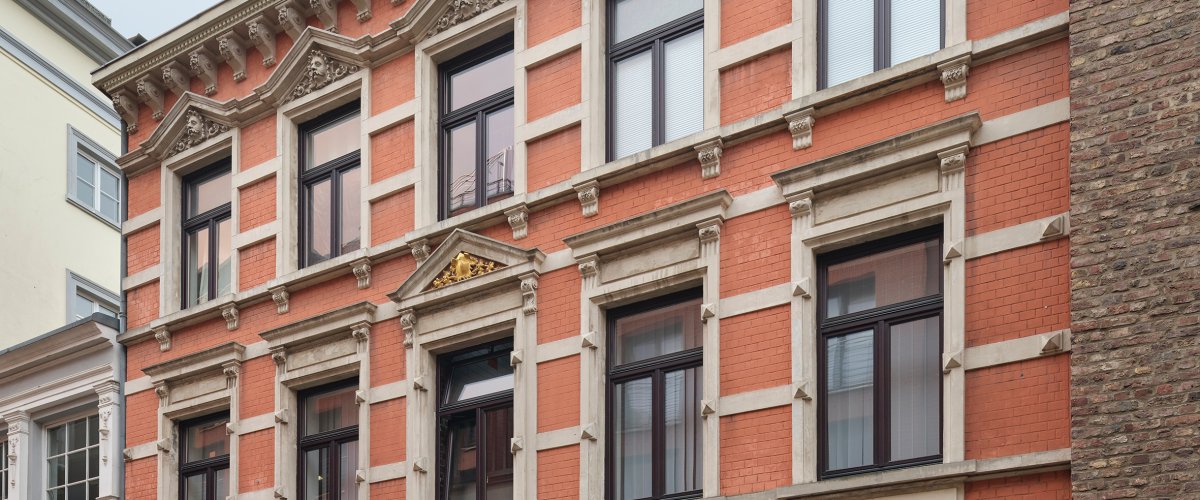
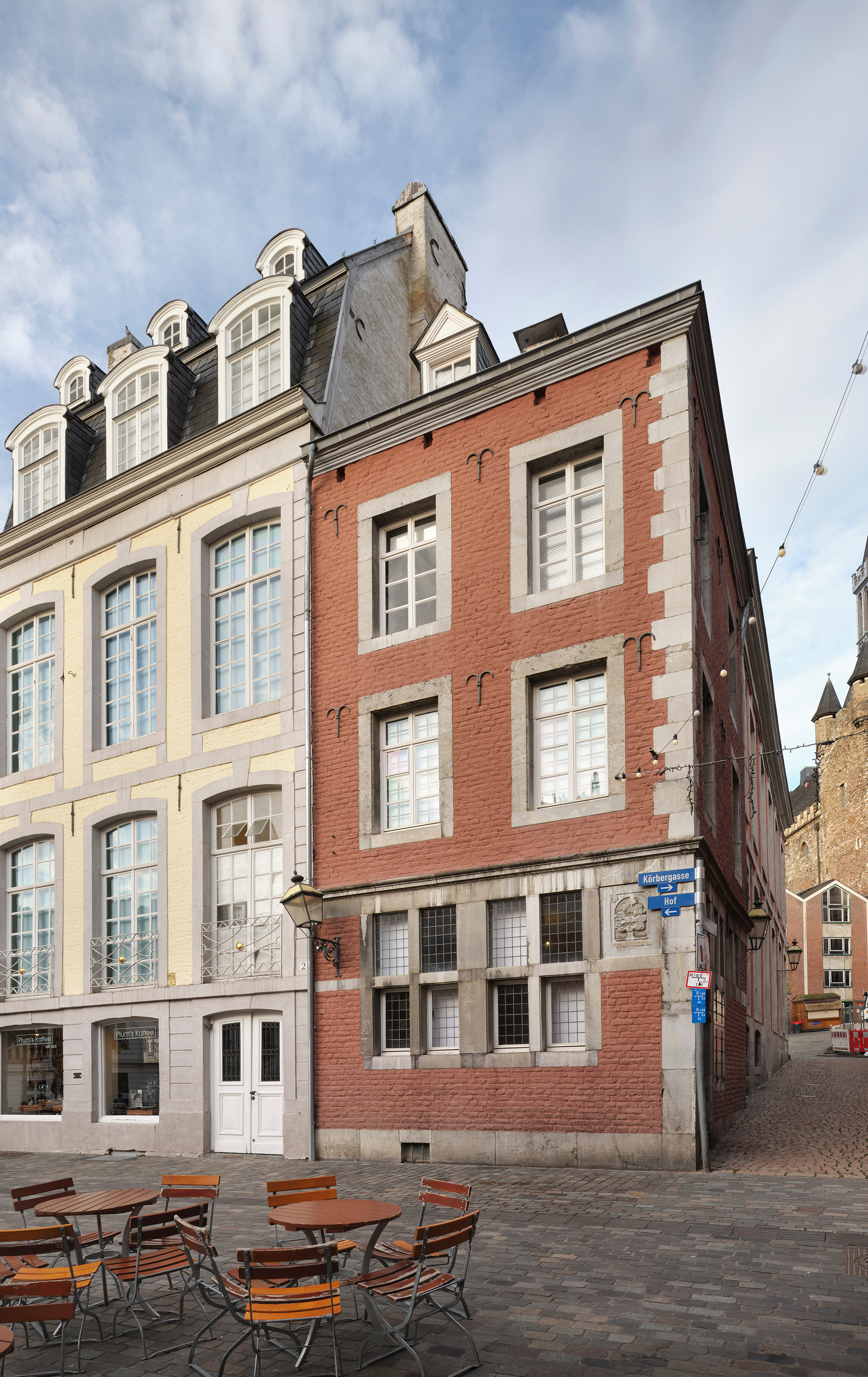
The house at Kockerellstraße 3 is particularly eye-catching due to its ornate façade with its reddish paint, numerous stucco and bluestone ornaments and the striking pilasters on the first floor. The façade is indeed historic, but the rest of the building is not.

Moving history
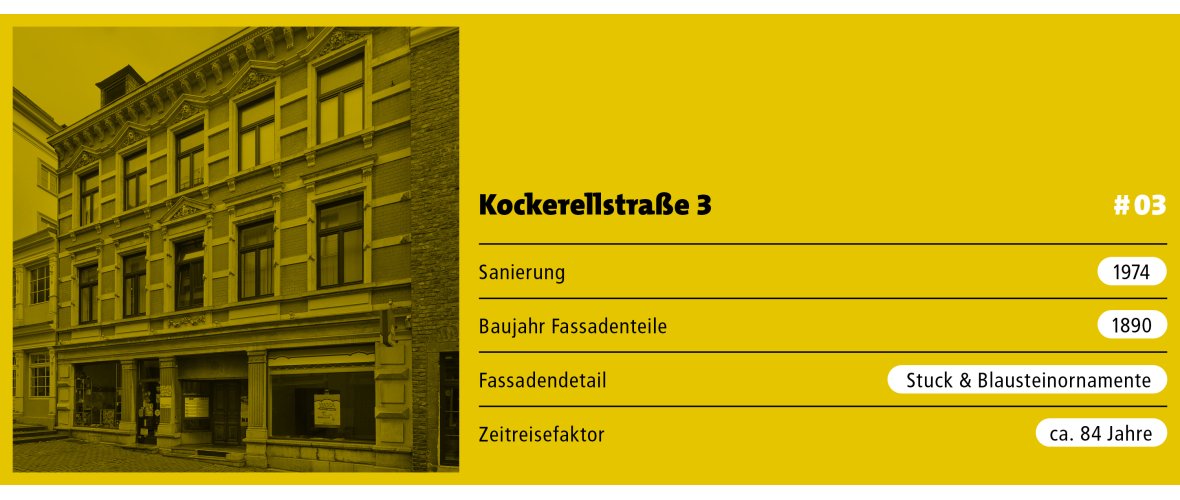
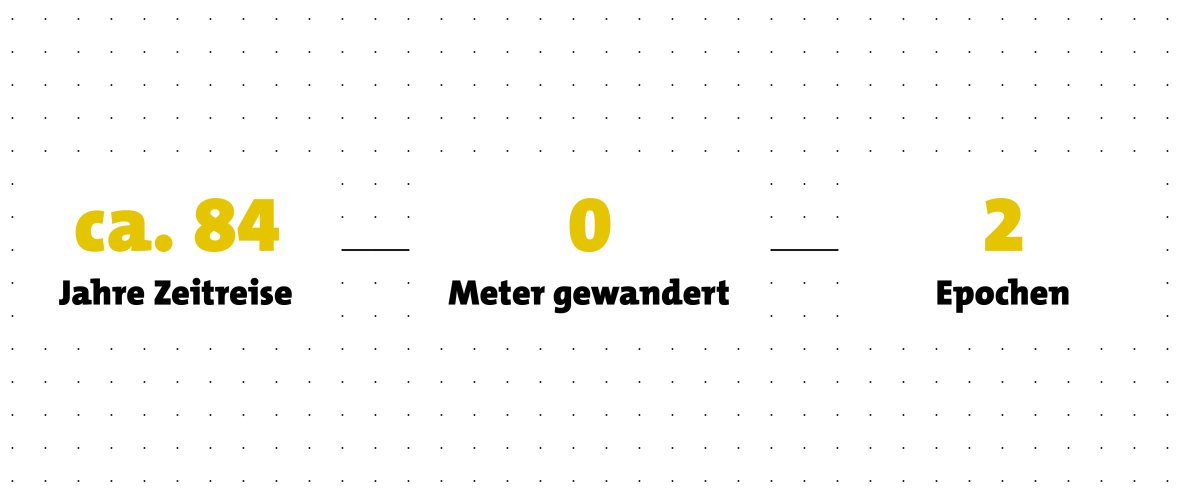
Jakobstraße and Kockerellstraße are core zones of the redevelopment area I, in which a complete new development in the historic guise was pursued in the 1970s. In contrast to the other buildings in the neighborhood, Kockerellstrasse 5 to 19, the old building from around 1890 was not completely demolished, but the façade and basement were retained. A completely new building was erected behind it in 1974. Instead of the former mansard roof with dormers, a pitched roof was added.
Search for clues
The façade shows a typical historicist mix of Baroque and Renaissance styles with plastered window walls, plaster bands and diamond-shaped, sculptural stucco elements. The stucco decoration on the top floor is particularly attractive: a series of triangular gables are decorated with tendrils and faces, so-called leaf masks, as are the numerous brackets of the eaves cornice. The central axis of the façade is also emphasized by a particularly ornate window on the second floor. Behind it, on the so-called Beletage, were usually the owners' specially highlighted living rooms.
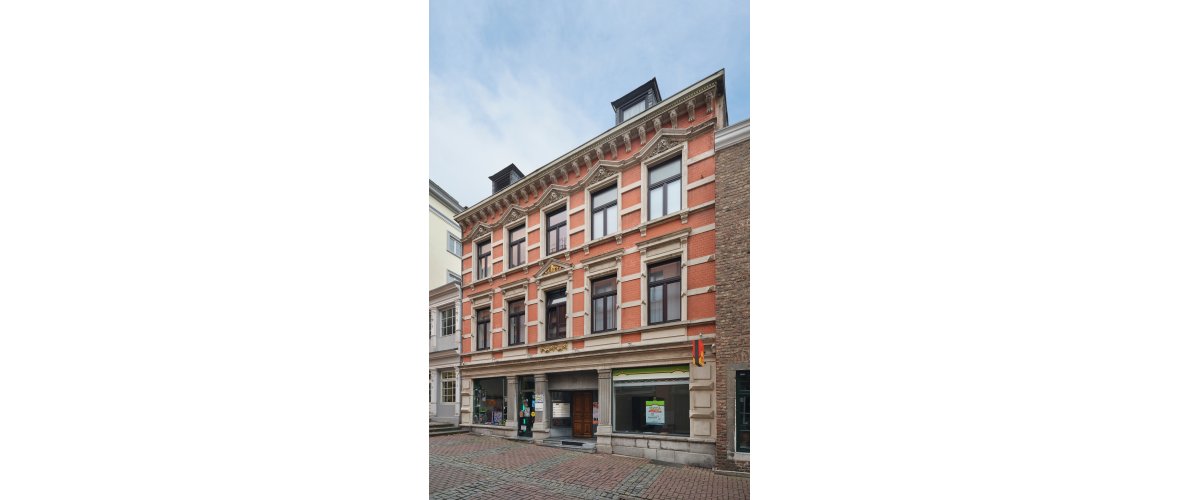
The façade is one of the few in the redevelopment area I around Jakobstrasse and Kockerellstrasse that remained in place and was not assigned a new location.
Special features
Alongside the neighboring corner building at Jakobstraße 2, it is the only historic building in redevelopment area I whose façade has been preserved in situ. This means that the youngest façade on Kockerellstrasse has been preserved, while the much older buildings in the neighborhood have been demolished and stored or relocated.
Picture gallery
Discover more

All monuments at a glance
Translocation
The method of translocation was already known and popular in 19th century urban planning. It allowed old building stock to be saved and reused. In Aachen, this method was applied in a special and extensive way.