Augustinergasse 4-6
Monument #11
Introduction
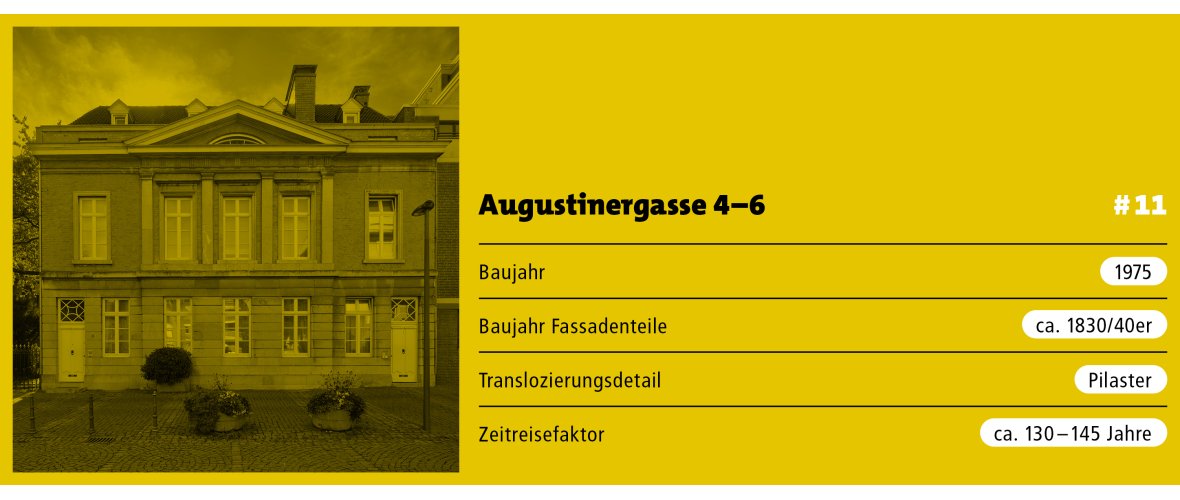
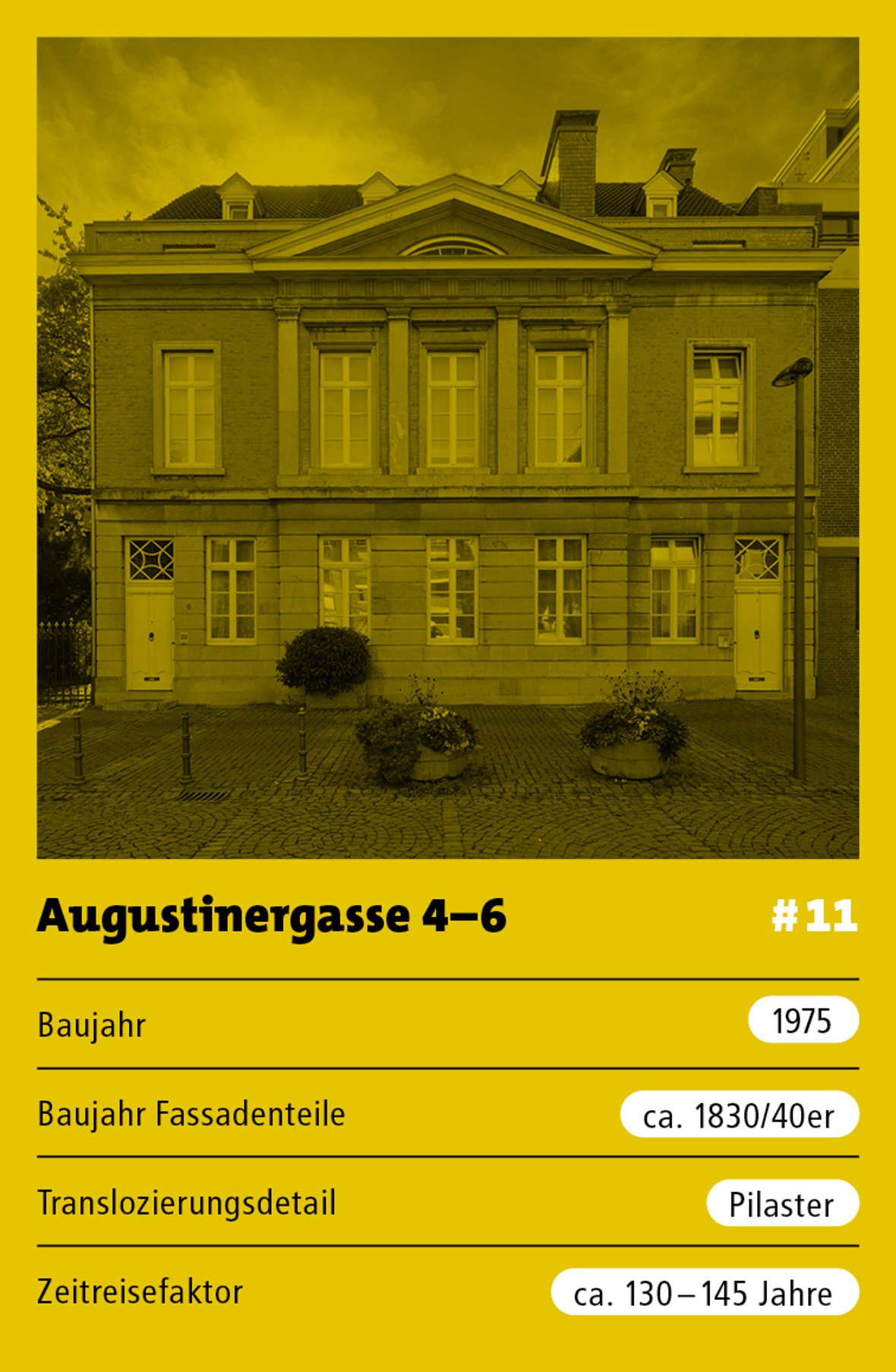
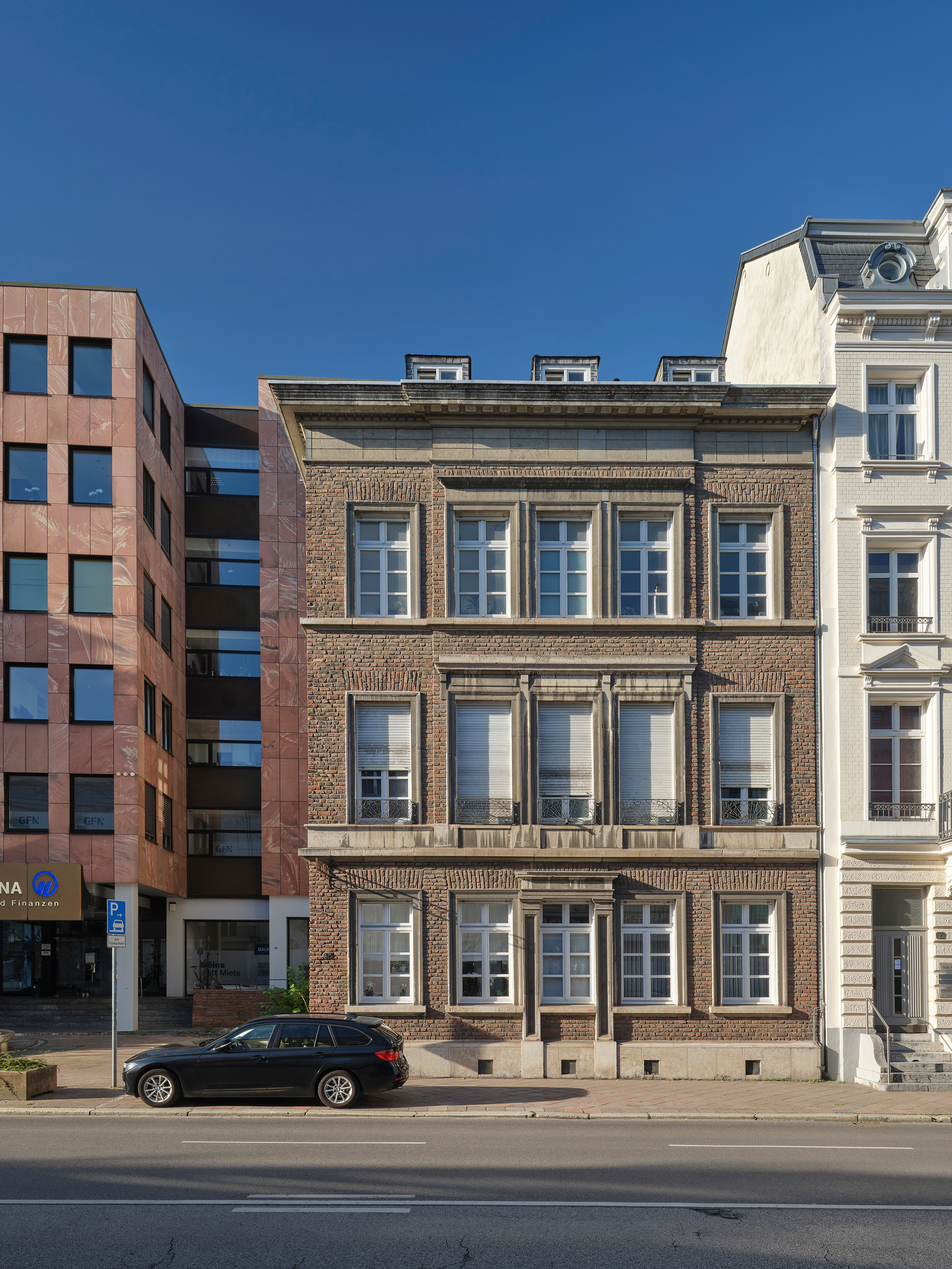
Augustinergasse 4-6 looks like a typical classicist building that has always adorned this prominent location in Aachen's old town. But its history is far more exciting: the building was actually only erected in 1975.
Moving history
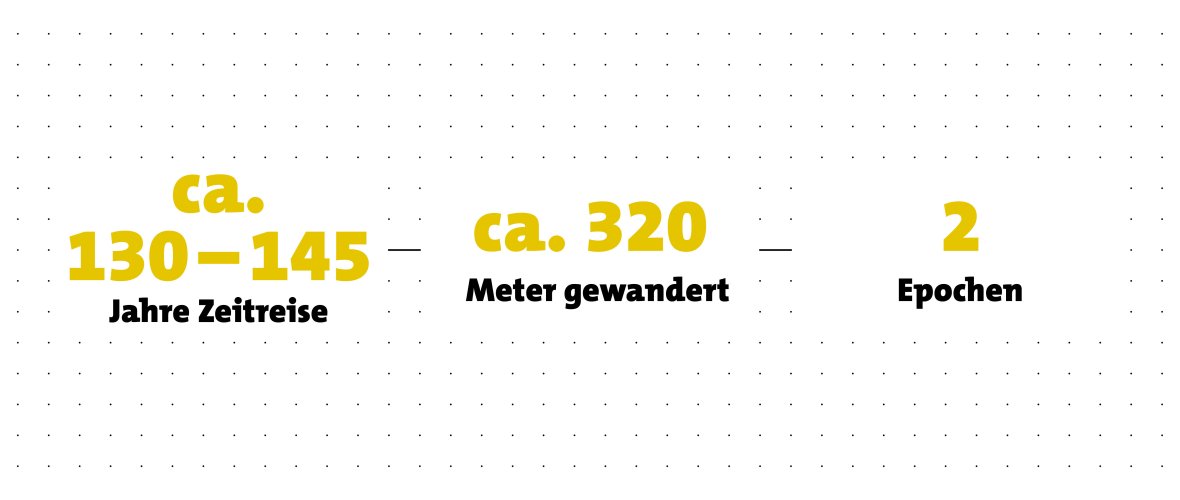
The main façade originally comes from the former Templergraben 79 building, which was probably built in the 1830s or 1840s under the direction of the well-known Brussels architect Jean-Pierre Cluysenaar. This had to make way for the new RWTH university library in 1961. The façade, which was already classified as worthy of protection at the time, was then carefully dismantled and stored. It finally found a new home on the redesigned Augustinerplatz. Here it is prominently oriented towards the open square.
Search for clues
It is worth taking a closer look: the façade could not be integrated without any changes. The original first floor had a passageway on the left and a window on the right. Both openings were replaced by a door and a second window. The plinth area and the cladding were also given a new finish. The result is a reconstruction that is largely true to the original, supplemented by functional adjustments.
The historic façade was emphasized as effectively as possible in relation to the square to prove that old and new building elements can be harmoniously combined.
Special features
The building at Augustinergasse 4-6 plays a key role in the spatial impact of the new Augustinerplatz. The striking, translocated façade forms an attractive contrast to the contemporary design of the rear sides of the surrounding buildings. Particularly in the course of the large-scale redevelopment of Aachen's city center in the 1970s, the building thus stands as an example of reconstruction and is considered an important testimony to Aachen's urban development.
Picture gallery
Discover more
All monuments at a glance
Translocation
The method of translocation was already known and popular in 19th century urban planning. It allowed old building stock to be saved and reused. In Aachen, this method was applied in a special and extensive way.