Rosstrasse 52-56
Monument #22

Introduction
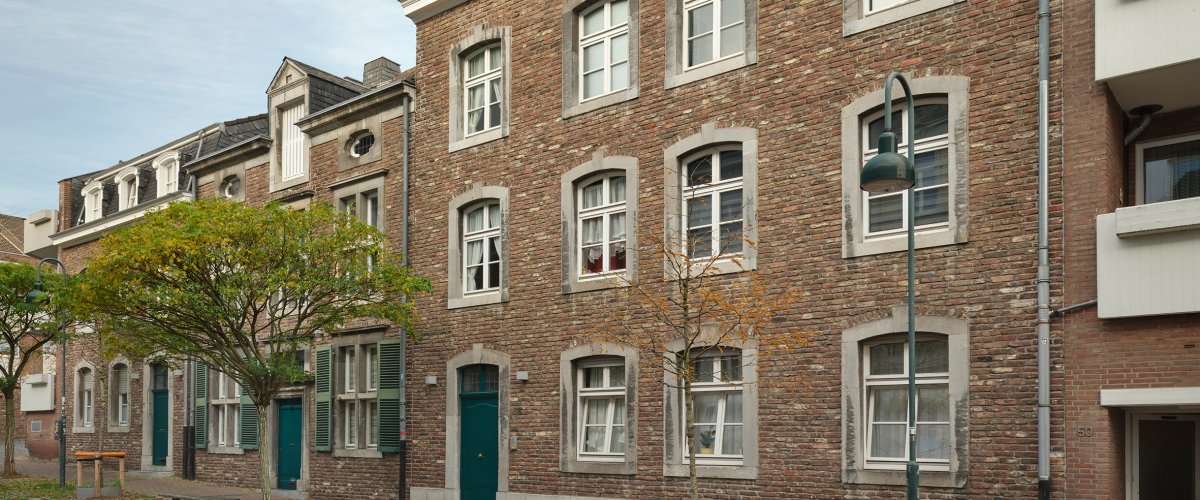
The three-part building group at Rosstrasse 52, 54 and 56 was demolished due to its structural condition, but also due to traffic planning, and rebuilt by the building company gewoge Aachen. Demolition and reconstruction with (parts of) historic facades resemble a complicated jigsaw puzzle.


Moving history
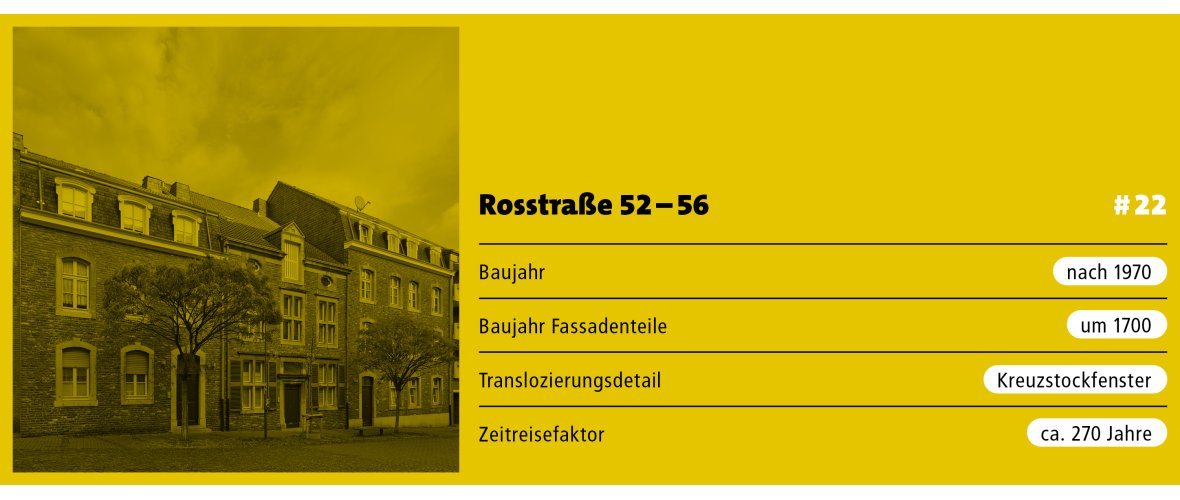
Following the demolition of the old buildings in the 1970s, three new buildings with translocated façades of different origins were constructed here. Architect Wolfgang Köster was in charge of the project for gewoge. The old buildings on this site date back to the first half of the 19th century, the two-storey old building no. 56 (before renumbering no. 58 and 60) was probably built in the 18th century.
Search for clues
The facade elements for the new construction of the three-story building at No. 52 were taken from the building yard’s inventory at the time. Based on the number and shape of the jambs, it is believed that they belonged to the former building at Paugasse No. 4. The stately facade of the old building, on the other hand, was dismantled and reused at Kockerellstraße 17. From today’s perspective, it seems questionable why it could not remain in its original location. Even back then, this “shuffling of facades” was viewed critically, as it revealed a creative yet arbitrary design approach on the part of the planners. On the other hand, this also highlights the urban planning scope of the renovation projects.
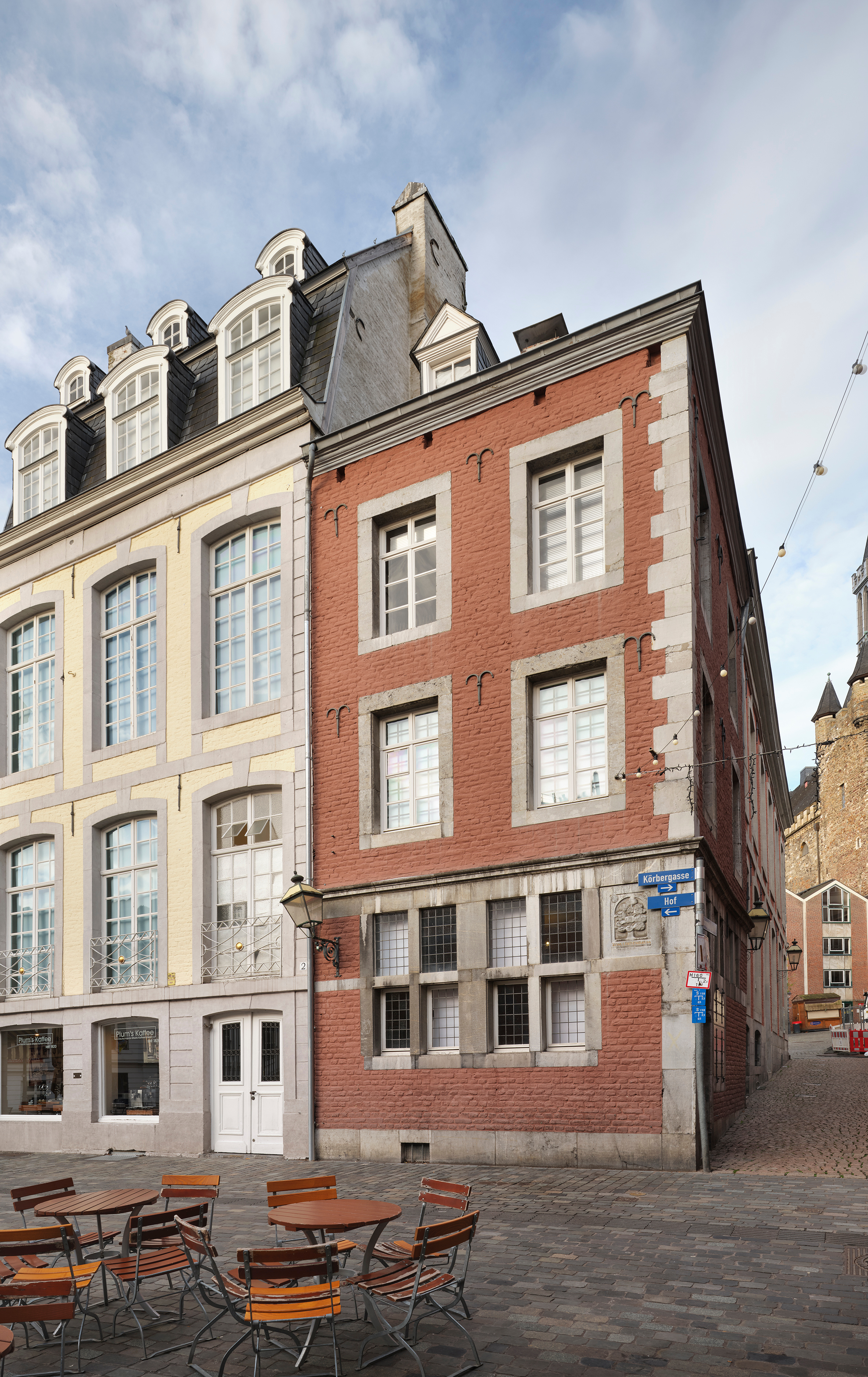
The striking facade of today’s house No. 54, featuring cross-bar windows, oval windows in the parapet, and a central dormer, originates from Rosstraße No. 32 and certainly dates back to around 1700. Parts of the facade from the demolished previous building are incorporated only into the new construction of house No. 56. Instead of the formerly steep gable roof, a mansard roof in the Baroque style was added here, which provided additional living space. Various details of the old facade, such as anchor irons, a cellar hatch, and hinges for shutters, were removed, and the facade was “smoothed out.” The bluestone archway between the new buildings at Rosstraße 58 and 60 was likely relocated here from the house at Bendelstraße 35 in Burtscheid, which had already been demolished in 1969.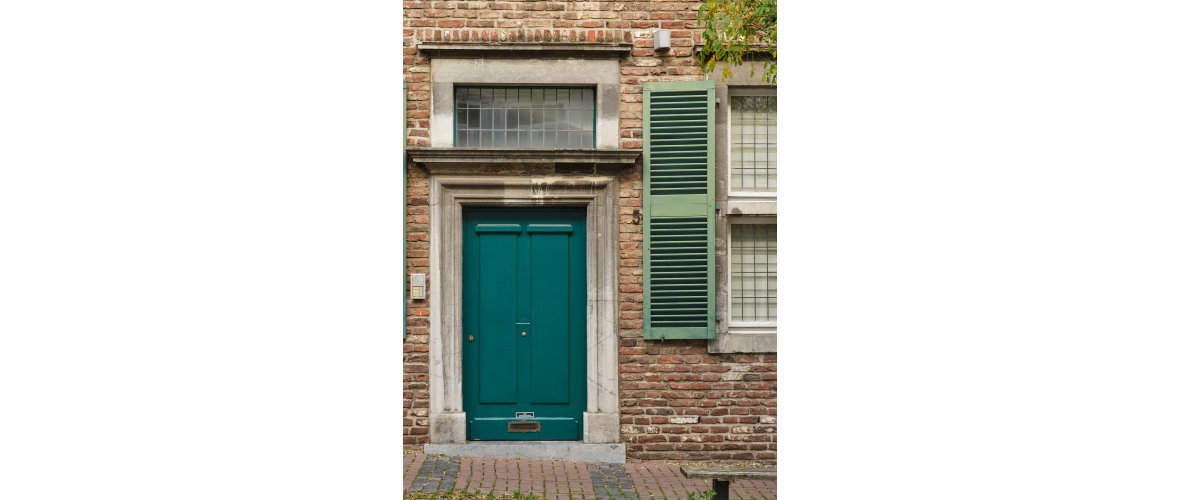
The façade elements used here originate mainly from the building yard's former stock.
Special features
The poor hygienic and structural conditions that are repeatedly cited as a general reason for the demolition can actually be well understood for the Rosviertel. For example, it is known that in the 1950s, 62 residents of Rosstraße 37, which is still standing today, shared two toilets (privies) in the narrow courtyard, one of which was occasionally defective. The lighting in the apartments around a very narrow rear courtyard was also extremely poor.
Picture gallery
Discover more
All monuments at a glance
Translocation
The method of translocation was already known and popular in 19th century urban planning. It allowed old building stock to be saved and reused. In Aachen, this method was applied in a special and extensive way.