Found, Protected, Brought Home: The Charlemagne Prize Foundation Donates 400,000 Euros to Ukrainian Child Protection Projects
- With a total of 400,000 euros, the foundation is providing support to Magnolia and Posmishka UA, two Ukrainian organizations that operate under exceptionally difficult conditions.
- The Charlemagne Prize Foundation demonstrates how the new project prize money is having a tangible impact on the protection of children and the preservation of European values.
- 208 missing children have been found, and an accessible training apartment is under construction—despite rocket attacks.
A 12-year-old girl, abducted to the occupied Crimea. A family that spent months not knowing whether their child was still alive. And then: a sign of life. This story is representative of thousands of others and of what the Charlemagne Prize Foundation hopes to make possible with the prize money from its project, which was newly established last year.
With a total of 400,000 euros, the foundation is supporting two Ukrainian organizations—Magnolia and Posmishka UA—that operate under exceptionally difficult conditions. Both projects focus on the most vulnerable group in any war: children.
208 Children Found—and This Is Just the
Beginning: Since the war began, Magnolia’s “Tracing and Reunification of Missing Ukrainian Children” project has turned a bitter necessity into a mission: the search for children who are missing within Ukraine, have been separated from their families, and/or have been abducted to occupied territories or to Russia.
With approximately 300,000 euros from the project prize money, Magnolia combines professional case work with digital research, public searches, international networking, and psychological and legal support for affected families.
The initial results speak for themselves: Since March, 320 missing-person reports have been published; more than one million people have been reached through TV broadcasts, outdoor advertising, and digital campaigns—and 208 children have been found. In addition, hundreds of parents, relatives, and caregivers received psychological and legal support through the Ukrainian hotline 116 000.
Behind these numbers lie stories like that of Angelina (name changed). After the Russian occupation of the Kherson region in October 2023, Angelina’s family lost all trace of the girl, who is now 12 years old. Thanks to Magnolia’s intensive search efforts, they were finally able to determine her whereabouts in the occupied territories and reestablish safe contact with her for the first time. Angelina confirmed that she had been taken to occupied Crimea along with her brother and that she wants to return home. This information was immediately forwarded to the relevant Ukrainian authorities and now forms the basis for further steps toward her safe return.
Ensuring that this work remains both transparent and traceable is a central component of the project: Cases of missing persons are documented in a secure case management system, and counseling sessions are systematically recorded and regularly evaluated. “This ensures that the funding provided is used transparently and that the project results can be reliably verified,” emphasizes Thomas Prefi, chairman of the Charlemagne Prize Foundation.
A Room That Represents the Future—Even Under
FireAbout 80 kilometers from the front lines, in the hard-hit Zaporizhzhia region, the organization Posmishka UA is working to fulfill another, equally urgent promise: to give children with disabilities a future—even in the midst of war.
With funding totaling just under 100,000 euros, an accessible social training apartment is being built there, where children with disabilities can learn everyday skills such as cooking, housekeeping, and living independently. The “Independent Living Skills for Children with Disabilities” project thus lays the foundation for social participation and independence.
Preparations for the infrastructure are in full swing: A qualified care team is ready to go, and the first families have already signed up for the program—a sign of the urgent need and the great hope placed in this project. Partnerships with the Child Welfare Service of the regional military administration, the Zaporizhzhia City Council, and the municipal organization “Zatyshna Domivka” (Cozy Home) ensure professional and structural support. Despite the recent destruction of the Child Protection Service’s office by a Russian missile strike in July 2026, the project team emphasizes its determination to continue the work.
“This attack shows why international support for child protection in frontline regions must not waver,” says Thomas Prefi. “Funding this project reflects the conviction that European values—human dignity, participation, and solidarity—must continue to be defended, especially in Ukraine.”
About the Project Grant: European Solidarity—Concrete and
Measurable. Funding for both Ukrainian projects is provided as part of the project grant program newly established in 2025 by the International Charlemagne Prize of Aachen Foundation. With an annual budget of one million euros, the fund supports nonprofit projects throughout Europe that strengthen the European ideal and make a concrete contribution to democracy, freedom, human rights, and social cohesion. Projects are selected in close consultation with the respective Charlemagne Prize laureates. Ursula von der Leyen, the 2025 laureate, selected both Ukrainian projects together with the Charlemagne Prize Foundation. This funding is made possible by the charitable foundation established by Aachen residents and entrepreneurs Dr. Ing. Eckhard Schulz and Dr. rer. nat. Stefanie Schäfer-Schulz. By the end of last year, over 500,000 euros had already been approved for the German Trauma Foundation. This funding supports two projects: the training of Ukrainian professionals in the psychosocial care of children and adolescents, and the scientific examination of the topic “Child Protection in a Digital World” within the framework of the national child protection guidelines.
"By supporting these projects, the Charlemagne Prize Foundation is sending a message that European solidarity does not end with political declarations," said Prefi. "We want to breathe life into the European ideal where it is most urgently needed."
About the International Charlemagne Prize of Aachen
: The International Charlemagne Prize of Aachen is considered the most prestigious European prize for European unity. Since 1950, it has been awarded to individuals and institutions that have rendered outstanding service to European unity. Last year, the President of the European Commission, Ursula von der Leyen, received the Charlemagne Prize. On May 14, 2026, the former Italian Prime Minister and former President of the European Central Bank was awarded the Charlemagne Prize in Aachen’s Coronation Hall in recognition of his current leadership and his outstanding life’s work in the service of Europe and its competitiveness.
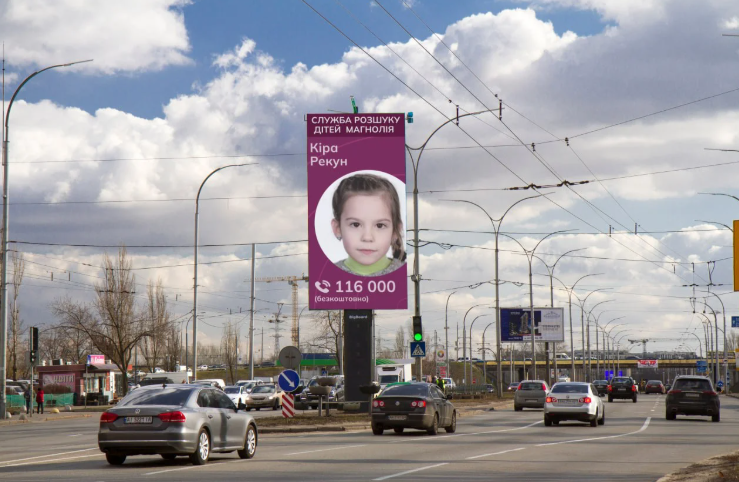
Magnolia's billboards display photos of missing Ukrainian children and the missing persons hotline number in Ukrainian cities, 2026
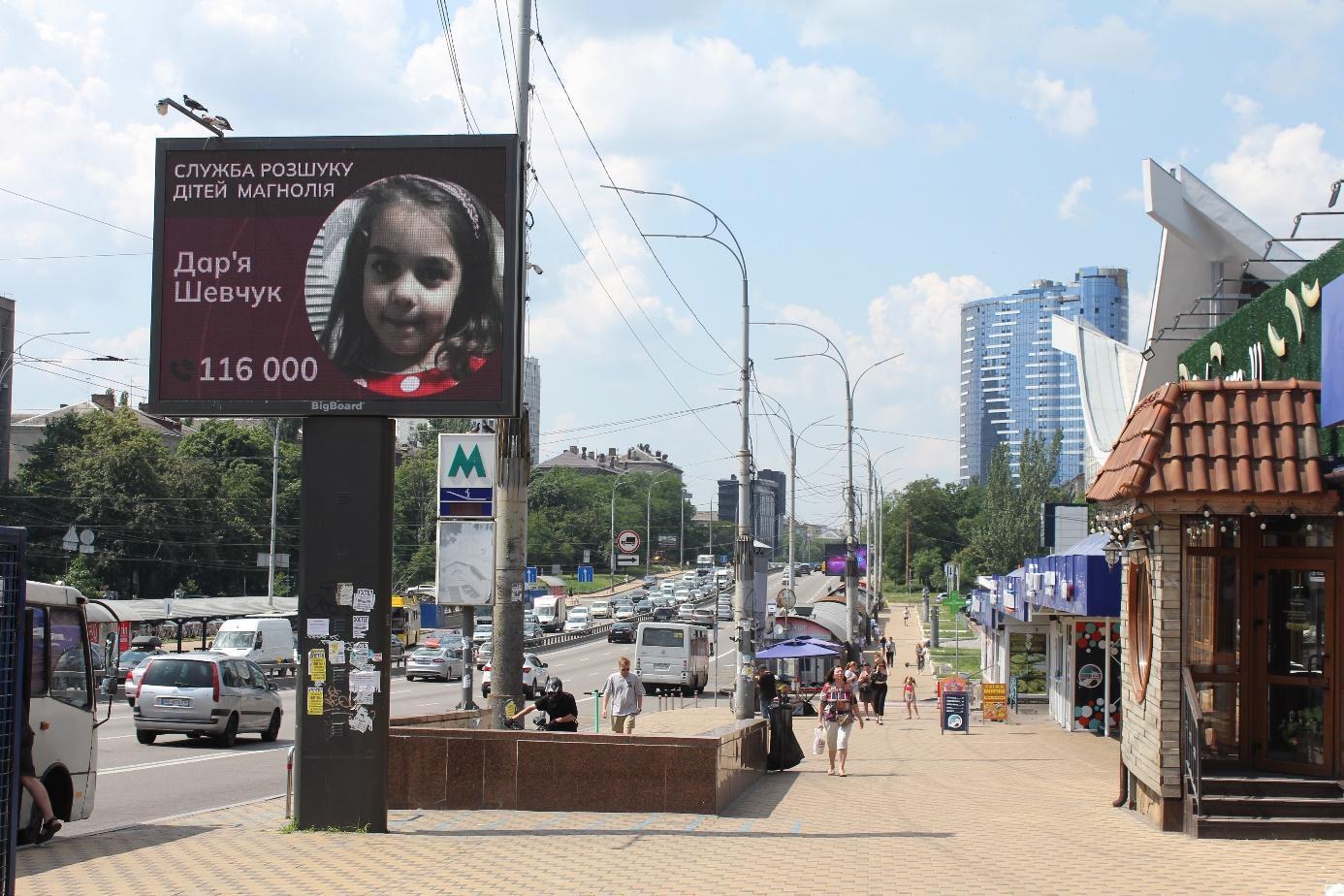
Magnolia's billboards display photos of missing Ukrainian children and the missing persons hotline number in Ukrainian cities, 2026
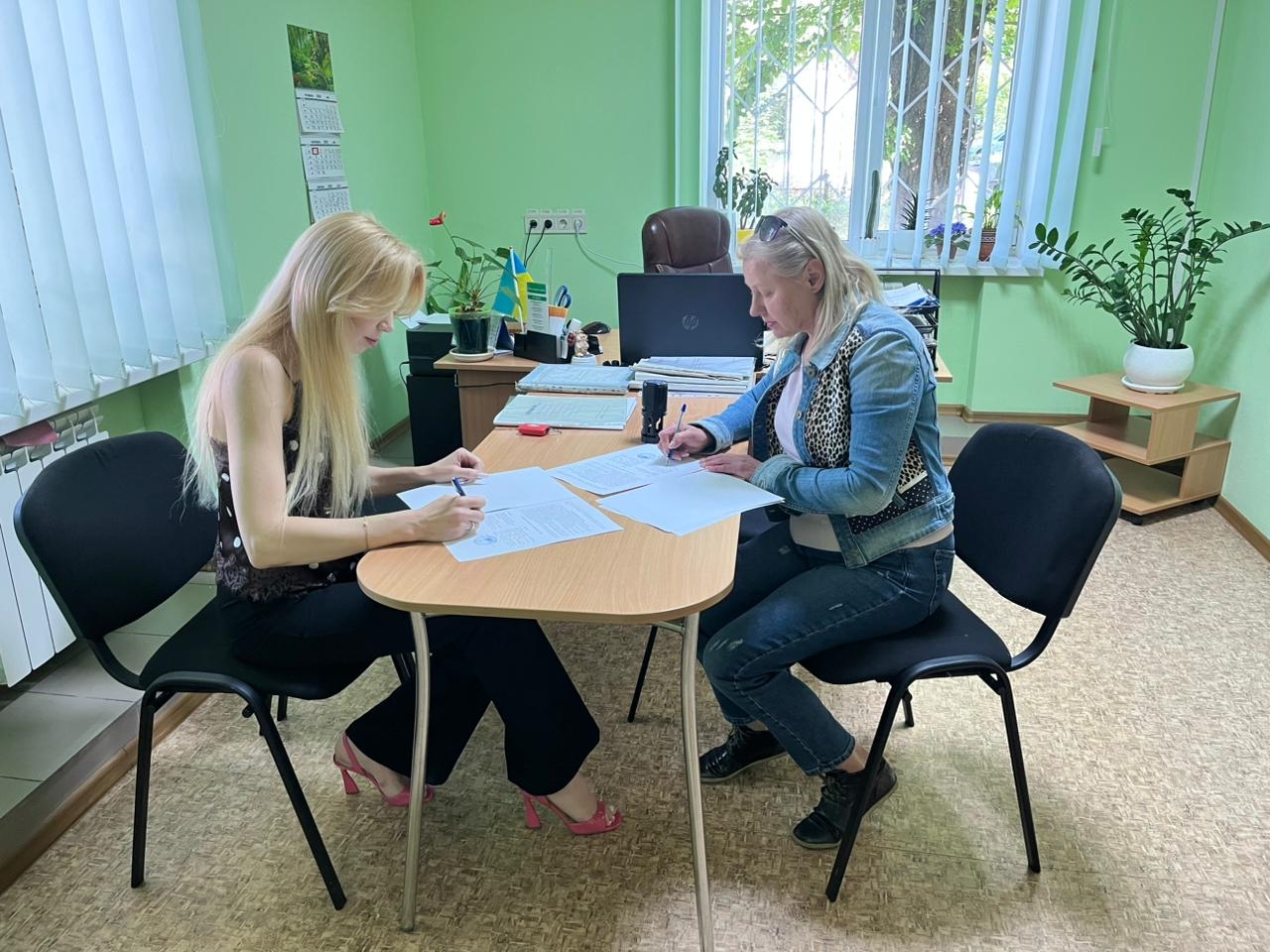
Signing of the project contract with Posmishka UA in Zaporizhzhia, Ukraine, 2026
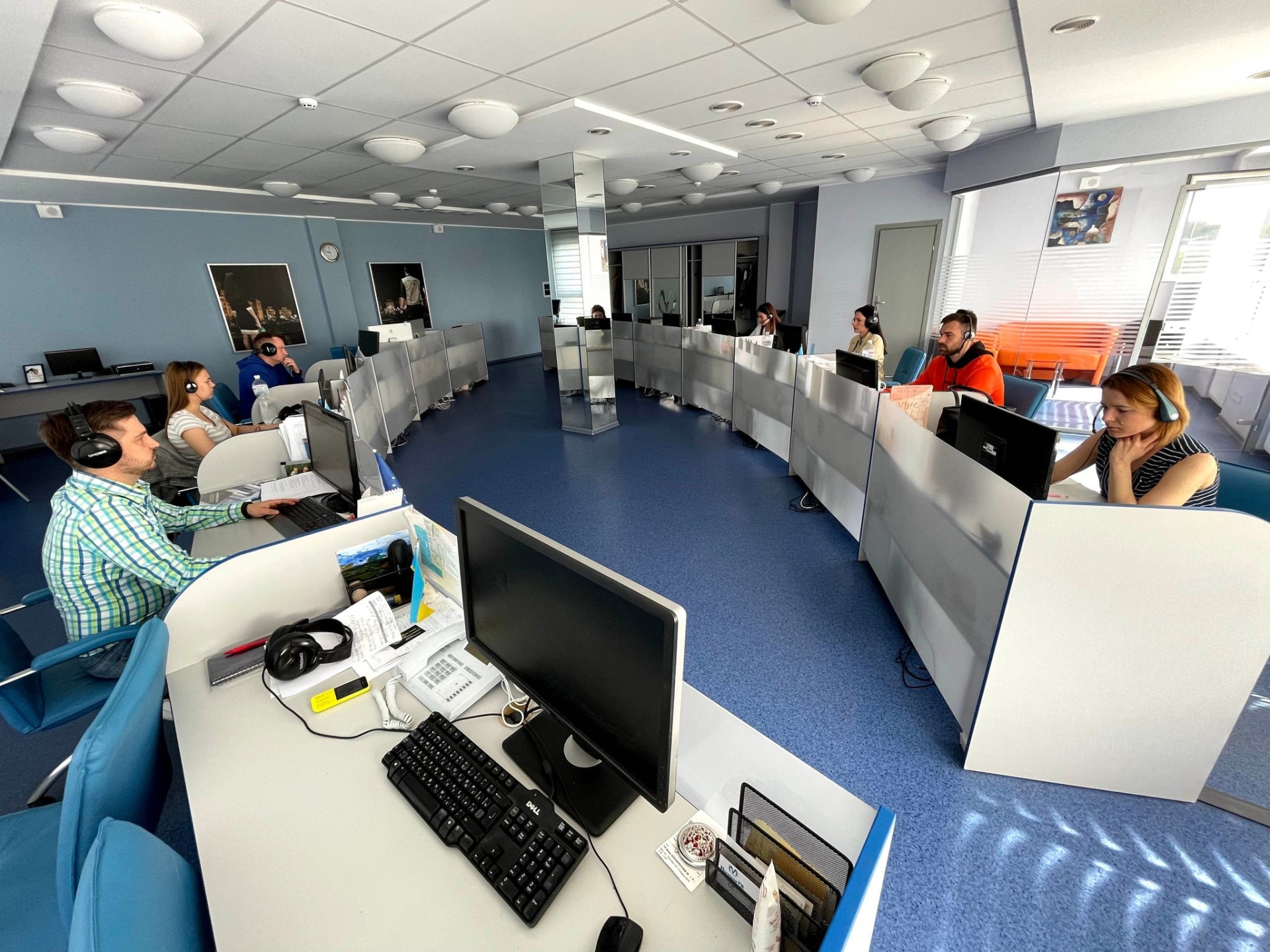
Magnolia's call center staff take reports regarding the search for missing Ukrainian children and provide legal and psychological counseling to the parents of missing children, Ukraine 2026.
You can subscribe to our RSS feed for our press releases here https://www.aachen.de/rss-feed-pressemitteilungen/rss.xml