125 Years of Statistics for Aachen
On November 23, 1900, the Aachen City Council decided, at the request of Mayor Philipp Veltman, to establish a municipal statistical office. On August 1, 1901, it began operations under the direction of Dr. Max Mendelsohn, who had previously served as an assistant at the Chamber of Commerce. In 2026, the Aachen City Statistics Office will therefore celebrate its 125th anniversary.
The office was established in response to a growing need: the administration of a rapidly expanding city required reliable data. The new office collected and processed all of the city’s statistical data, maintained the lists of lay judges and voters, and compiled the administrative report.
Monthly Statistical Reports
: Starting in 1902, monthly statistical reports were published regularly. They documented the pulse of the city: population size and trends, mortality and causes of death, in-migration and out-migration, tourism, welfare assistance, the state of the labor market, livestock and meat prices, hospital utilization, theater attendance, construction activity, and visits to museums, the city library, and public baths. Even the meteorological observatory contributed its observations.
The development of labor statistics was particularly innovative: The employment rates in individual industries could be determined from health insurance enrollment and deregistration records. This served as a kind of early warning system for unemployment. The first major data collection alone comprised approximately 35,000 registration cards and 3,070 employers.
Big Tasks with a Small Team
: Large-scale censuses also took place in the early years: livestock censuses in 1902 and 1904, and the 1905 census, which included a housing census. In 1904, the office also took over the town hall library.
The staff remained small: a director, a secretary, and, depending on the scope of the tasks at hand, five to twelve assistants. Starting in 1903, the Statistical Office was located in the newly inaugurated administrative building designed by Aachen architect Friedrich Pützer on Klostergasse (today: Johannes-Paul-II-Str.), which was already connected to City Hall by a bridge at that time.
The Statistics Office Today
: From humble beginnings with tally cards and fountain pens, it has evolved into a modern statistics office that continues to this day to provide the city administration, citizens, policymakers, the business community, and the academic community with reliable data. Its scope ranges from detailed analyses of population trends to population projections. The office continuously analyzes and visualizes trends in construction activity, unemployment and employment figures, student enrollment, and many other areas—including in cooperation with other departments of the city administration. Numerous annual reports and publications serve as key planning and decision-making tools both within and outside the administration.
125 Years – A Journey Through the Statistics
: The Statistics Office team is celebrating this anniversary year—in keeping with its mission—with a journey through many interesting and curious facts, figures, and data about the Imperial City. Topics range from population trends and changes in land area to attendance figures for Alemannia’s home games. Through August 2027, the City of Aachen will publish additional installments of this series at regular intervals on aachen.de/statistik.
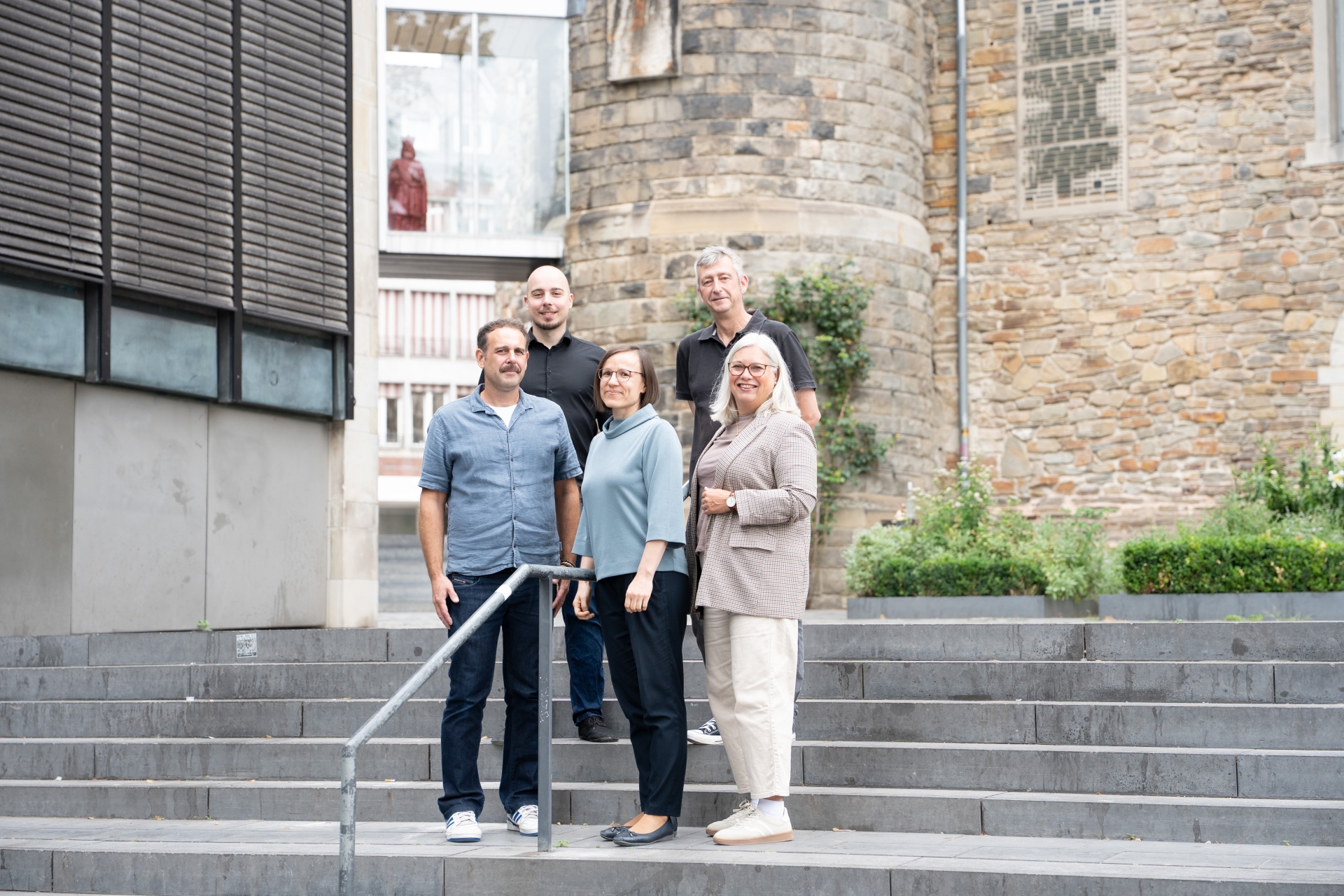
The team at the City of Aachen’s Statistics Office is celebrating its 125th anniversary and, in this anniversary year, is looking back on many interesting and curious facts, figures, and data about the Imperial City.
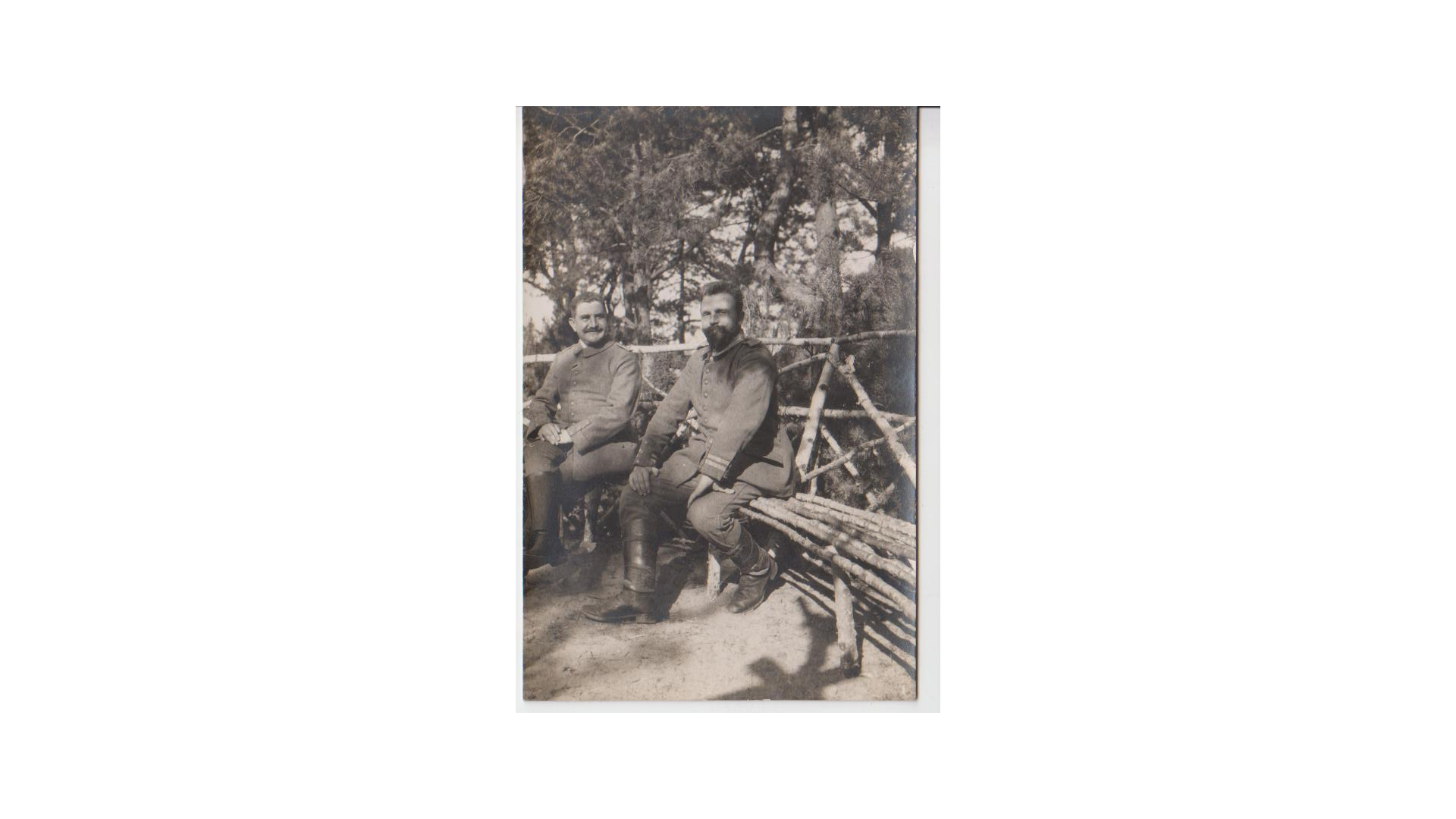
The founder of the Aachen Statistical Office, Dr. Max Mendelsohn (pictured here on the left), began his work in 1901.
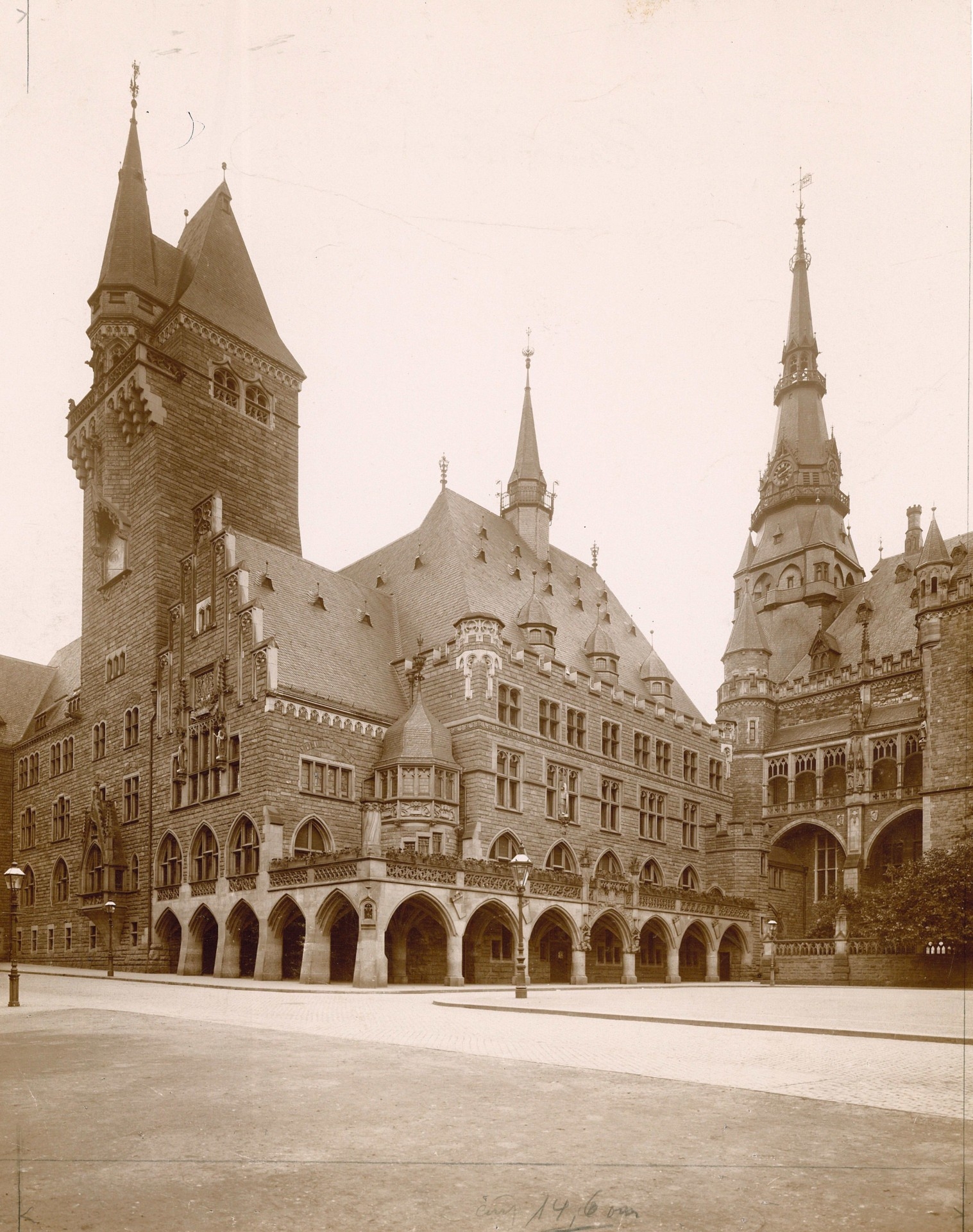
The Statistical Office was housed in the administrative building on Klostergasse, which was inaugurated in 1903.
You can subscribe to our RSS feed for our press releases here https://www.aachen.de/rss-feed-pressemitteilungen/rss.xml